Best Garden Plants To Plant Together For A Healthy Productive Harvest
Title: Best Garden Plants to Plant Together for a Healthy Productive Harvest
Introduction:
Companion planting is a gardening practice that involves planting certain plants together in order to benefit each other. By carefully choosing which plants to plant near each other, you can improve the growth, health, and productivity of your garden.
There are many different benefits to companion planting. Some of the most common benefits include:
- Increased yields: Companion planting can help to increase the yields of your crops. For example, planting tomatoes and basil together can help to increase the number of tomatoes produced.
- Improved pest control: Companion planting can help to deter pests and diseases. For example, planting marigolds near tomatoes can help to repel aphids.
- Enhanced pollination: Companion planting can help to attract pollinators, such as bees and butterflies. These pollinators are essential for the reproduction of many plants.
- Improved soil health: Companion planting can help to improve the health of your soil. For example, planting legumes, such as peas and beans, can help to fix nitrogen in the soil.
Main Content:
There are many different companion planting combinations that you can try. Here are a few of the most popular combinations:
- Tomatoes and basil. Basil is a natural pest repellent that can help to deter aphids, spider mites, and whiteflies. It can also improve the flavor of tomatoes.
- Carrots and celery. Carrots and celery have different root systems that don't compete with each other. They also both benefit from the same growing conditions.

- Cucumbers and melons. Cucumbers and melons both need full sun and plenty of water. They also benefit from being planted near each other because they attract the same pollinators.

- Peas and lettuce. Peas and lettuce are both cool-season crops that can be planted together in early spring or fall. They also have different water needs, so they won't compete with each other for water.

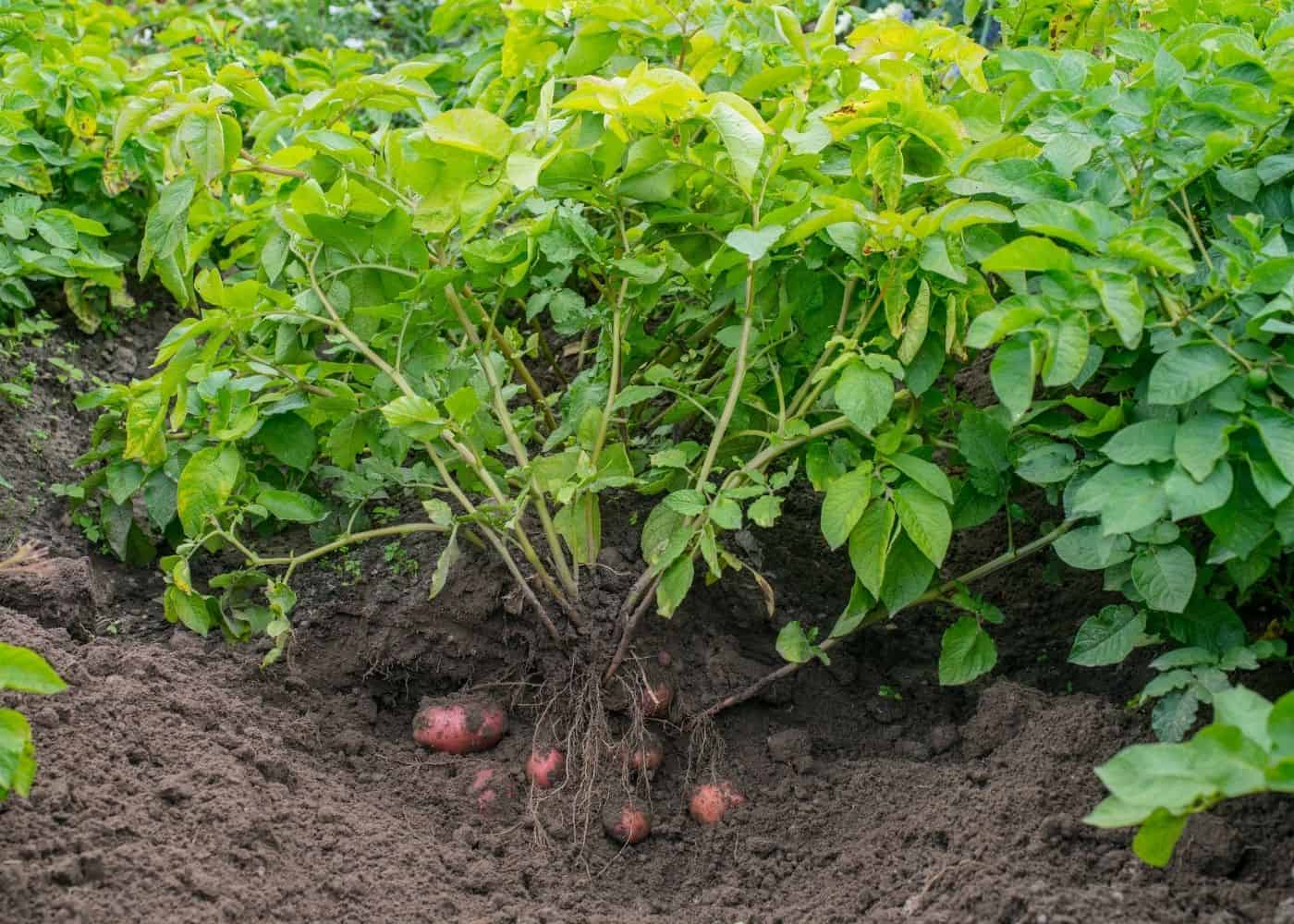
- Potatoes and beans. Potatoes and beans are both nitrogen-fixing plants, which means they can convert nitrogen from the air into a form that other plants can use. Planting them together can help to improve the nitrogen content of the soil for both plants.
- Spinach and carrots. Spinach and carrots have different growing habits, so they won't compete with each other for space. They also both benefit from being planted in full sun.

Conclusion:
Companion planting is a great way to improve the health, productivity, and beauty of your garden. By carefully choosing which plants to plant together, you can create a thriving ecosystem that will benefit you for years to come.
Do you want to know which garden plants to plant together? There are many factors to consider when planning your garden, such as the size of your space, the climate you live in, and the type of plants you want to grow. But one important factor that is often overlooked is companion planting. Companion planting is the practice of planting certain types of plants together to benefit each other. For example, some plants attract beneficial insects that help to control pests, while others improve the soil quality or deter diseases.
If you're interested in learning more about companion planting, visit Home Gardening. This website has a comprehensive guide to companion planting, with information on which plants grow well together and why. You'll also find tips on how to plan your garden for maximum success.
FAQ of garden plants to plant together
What are some good companion plants for tomatoes?
Some good companion plants for tomatoes include basil, marigolds, nasturtiums, and chives. Basil helps to repel tomato hornworms and other pests, while marigolds and nasturtiums help to attract beneficial insects. Chives can help to improve the flavor of tomatoes.
What are some good companion plants for carrots?
Some good companion plants for carrots include onions, lettuce, and radishes. Onions can help to repel carrot flies, while lettuce and radishes can help to shade the carrot roots and prevent them from bolting.
What are some good companion plants for beans?
Some good companion plants for beans include corn, peas, and tomatoes. Corn provides support for bean vines, while peas fix nitrogen in the soil, which benefits both plants. Tomatoes help to deter bean beetles.
What are some good companion plants for cucumbers?
Some good companion plants for cucumbers include melons, pumpkins, and squash. These plants all have similar growing requirements and can help to shade the soil, which helps to keep cucumber roots cool.
What are some good companion plants for peppers?
Some good companion plants for peppers include basil, marigolds, and nasturtiums. Basil helps to repel aphids and other pests, while marigolds and nasturtiums help to attract beneficial insects.
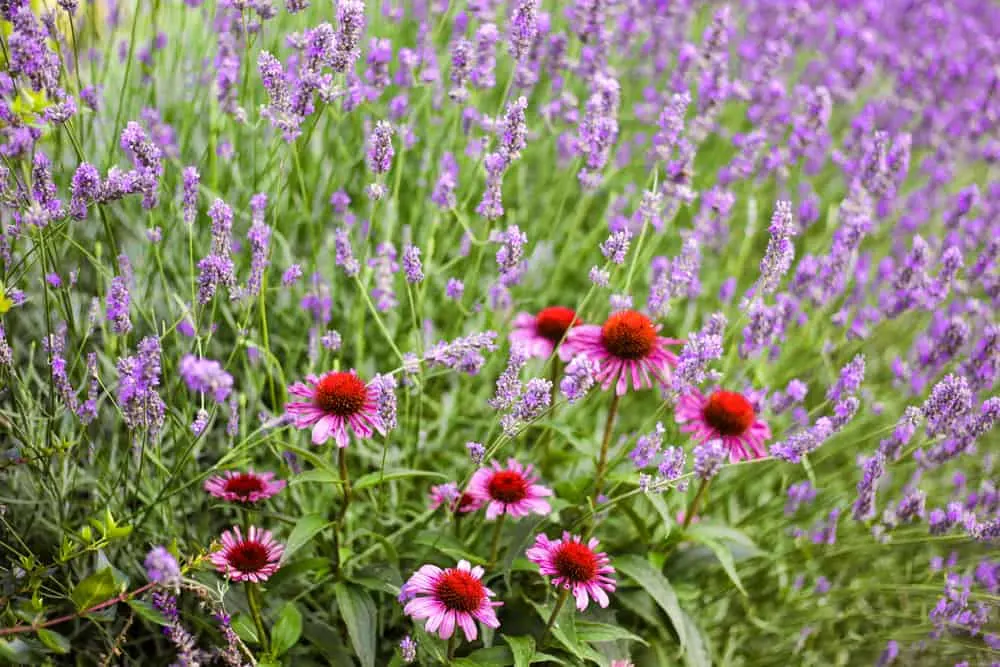
Image of garden plants to plant together
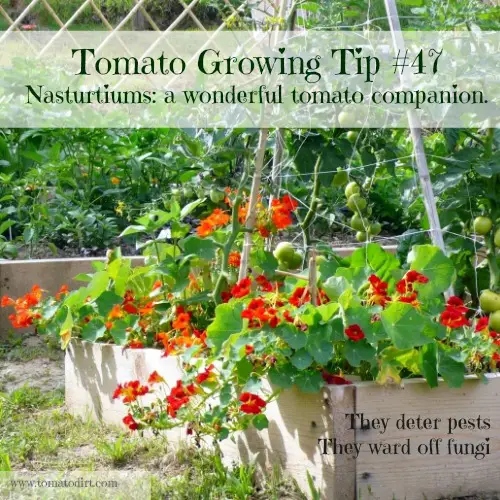
- Nasturtiums and tomatoes: These two plants are a classic companion pairing. Nasturtiums deter pests like aphids and whiteflies, which can be a problem for tomatoes. They also attract beneficial insects like ladybugs and hoverflies, which help to control pests.
- Basil and tomatoes: Basil is another great companion plant for tomatoes. It helps to improve the flavor of tomatoes and also helps to deter pests.
- Marigolds and roses: Marigolds are often used as companion plants for roses because they help to repel pests like Japanese beetles and aphids.

- Cucumbers and beans: Cucumbers and beans are a good companion pairing because they have different water needs. Cucumbers prefer moist soil, while beans prefer drier soil. This helps to prevent the plants from competing for water.
- Potatoes and onions: Potatoes and onions are another good companion pairing. Onions help to repel the Colorado potato beetle, which can be a problem for potatoes.

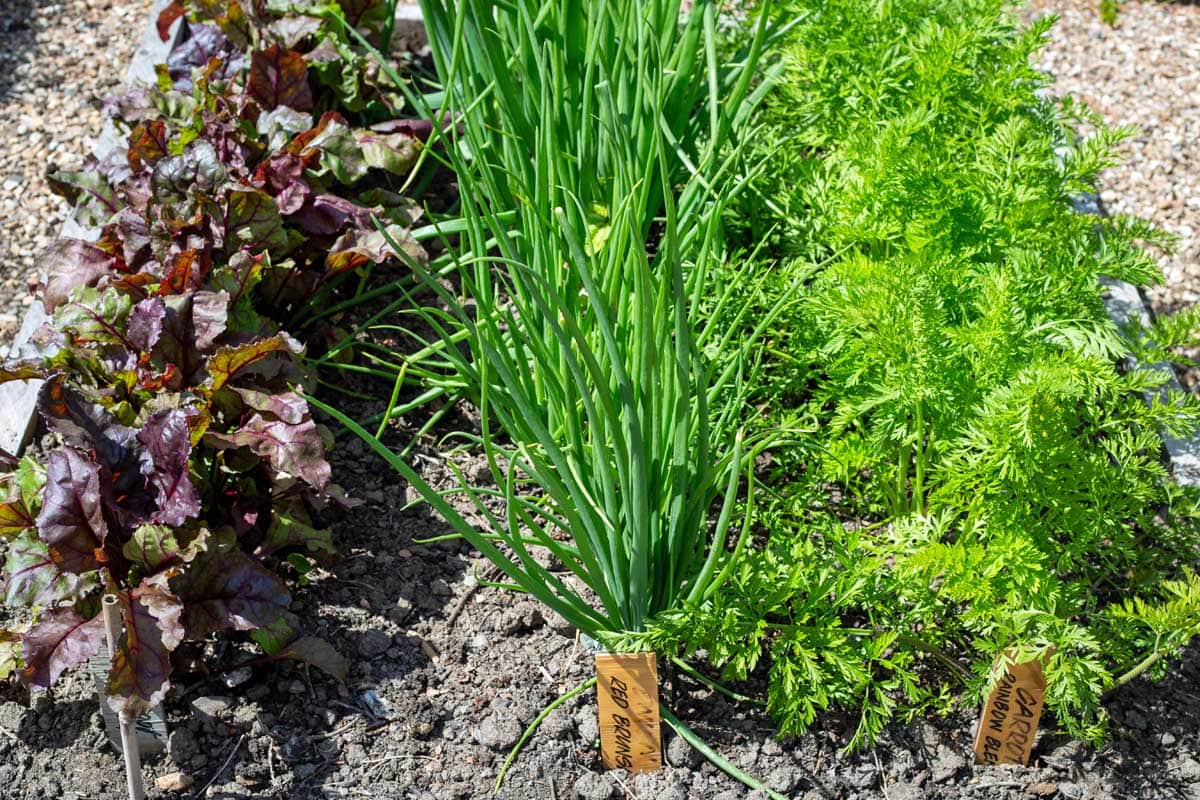
- Lettuce and carrots: Lettuce and carrots can be planted together because they have different growing habits. Lettuce is a fast-growing plant that doesn't need a lot of space, while carrots are a slower-growing plant that needs more space.
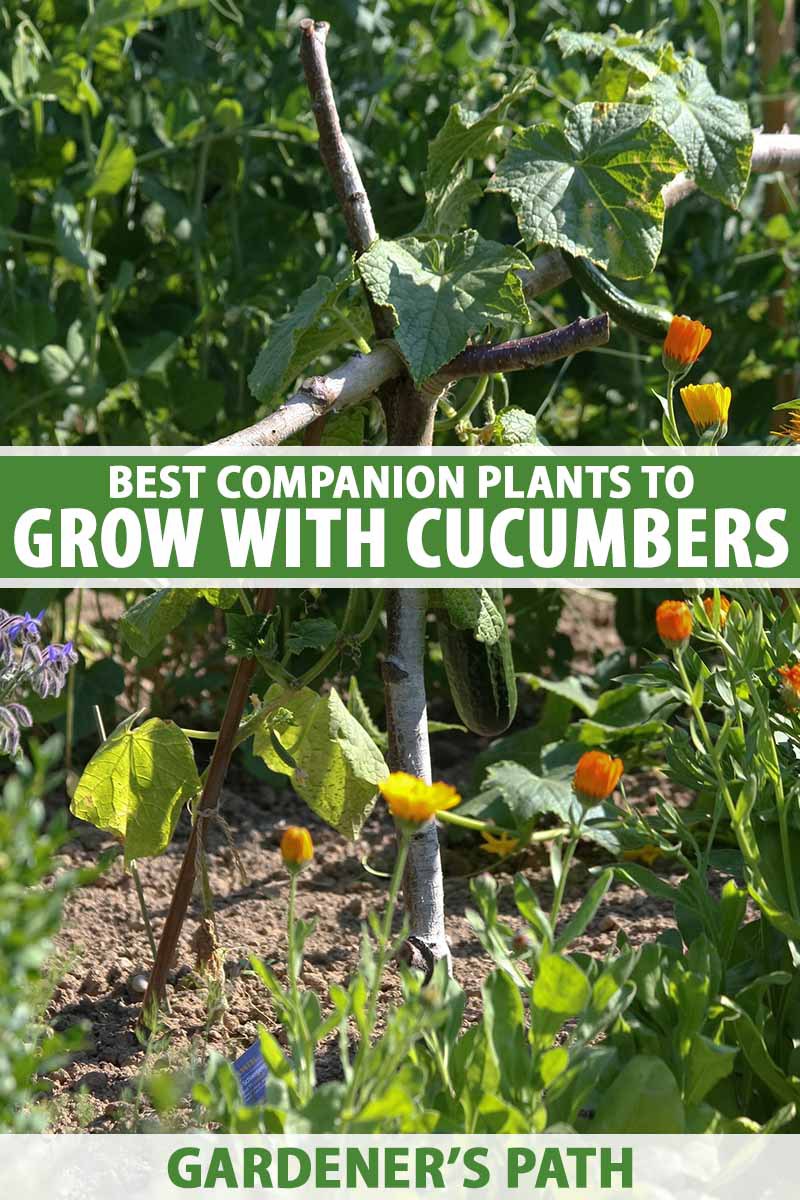
- Peas and marigolds: Peas and marigolds are a good companion pairing because they both benefit from the other plant's presence. Peas help to fix nitrogen in the soil, which benefits marigolds. Marigolds help to repel pests, which benefits peas.

- Sunflowers and zinnias: Sunflowers and zinnias are both tall, sunny flowers that can be planted together to create a colorful display. They have similar water and sunlight requirements, so they are easy to care for together.

- Lavender and rosemary: Lavender and rosemary are both fragrant herbs that can be planted together to create a relaxing and inviting garden space. They have similar water and sunlight requirements, so they are easy to care for together.
- Cilantro and mint: Cilantro and mint are both herbs that can be planted together, but they should be planted in separate containers or beds. Mint is a very aggressive grower and can quickly take over a garden if it is not contained.

Post a Comment for " Best Garden Plants To Plant Together For A Healthy Productive Harvest"